Why Ukraine is even more impressive in person
Impressions from a week spent in Kyiv and Kharkiv

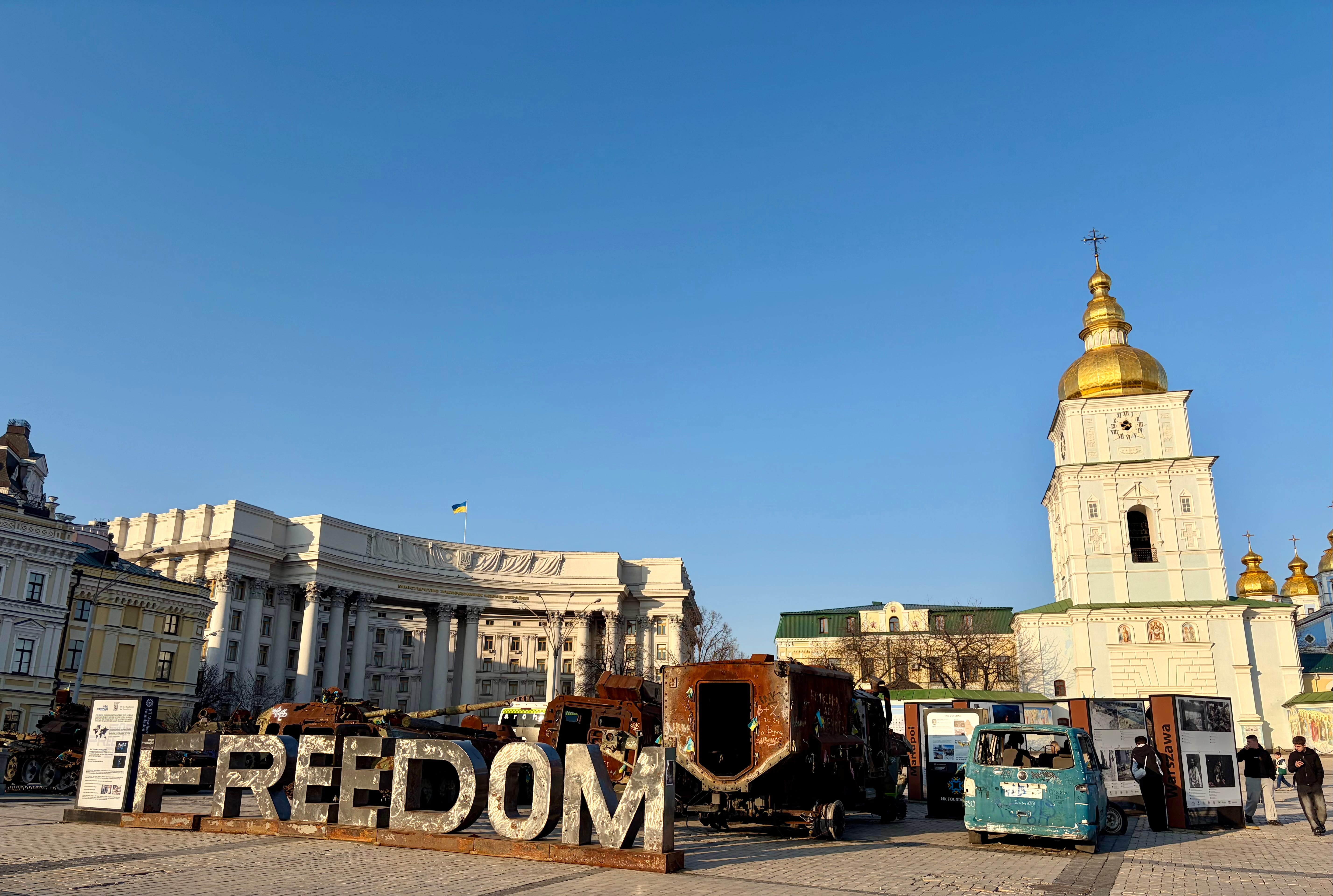
I just returned from a week spent in Ukraine with a delegation from the Renew Democracy Initiative, an NGO founded by former chess champion Garry Kasparov that has provided $15 million in humanitarian aid to that embattled country. (I serve on RDI’s advisory board.) It was my third trip since the war began, the previous two having been in 2023 and 2024. I’ve already written for the Washington Post about some impressions from my latest trip, mainly involving Ukraine’s kick-ass drone army. But I thought I would use this space to share some other thoughts on the look and feel of wartime Ukraine—and in particular why I always leave Ukraine even more impressed than when I arrive.
The Night Train to Kyiv
The first thing you notice about Ukraine is, of course, the difficulty of getting there. It’s one of the few places on earth that can’t be accessed by commercial aviation. I first had to fly to Warsaw (on Poland’s excellent national carrier, LOT), then our group took a van to the Polish city of Chelm, and from there we caught the night train to Kyiv.
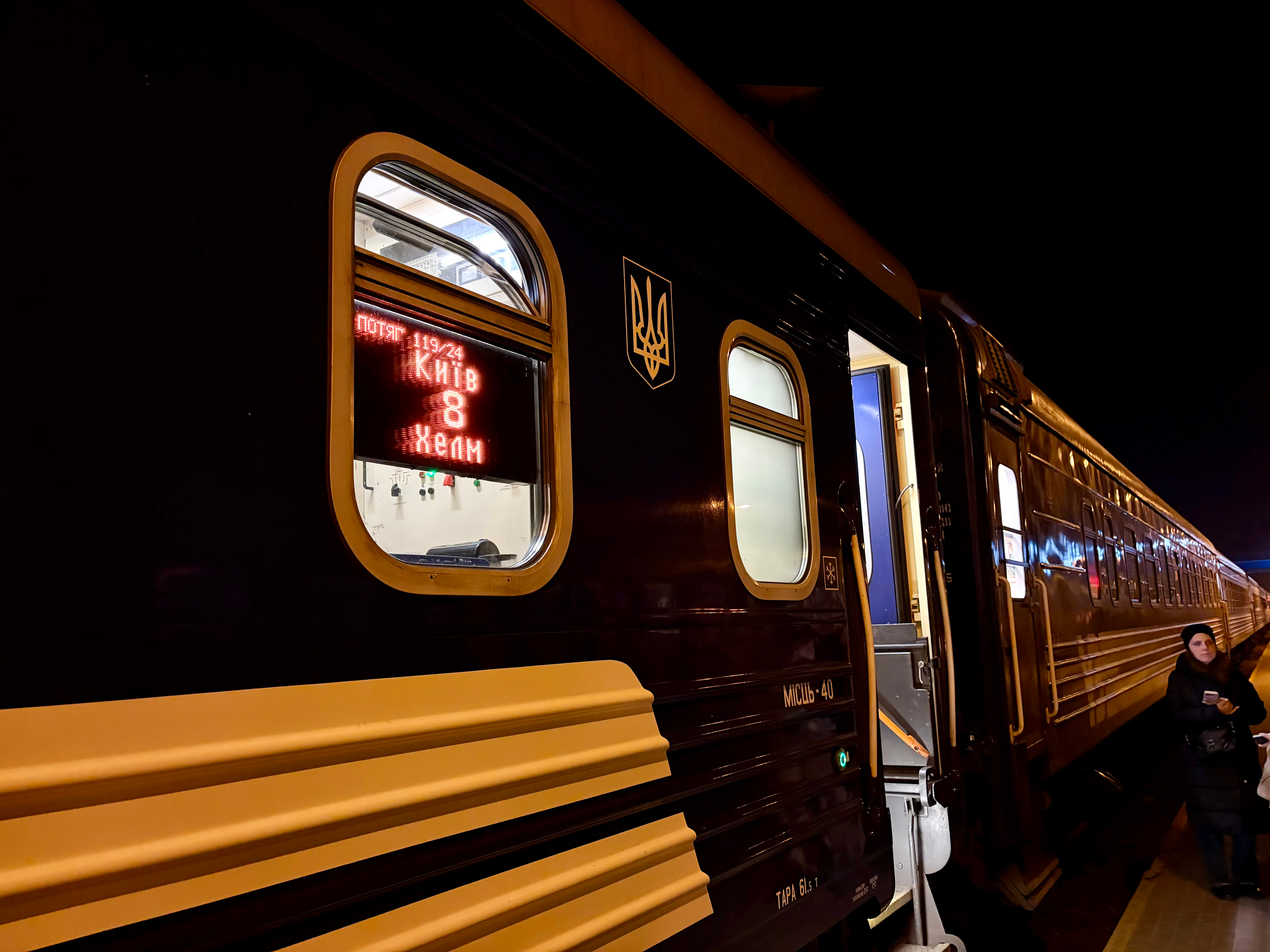
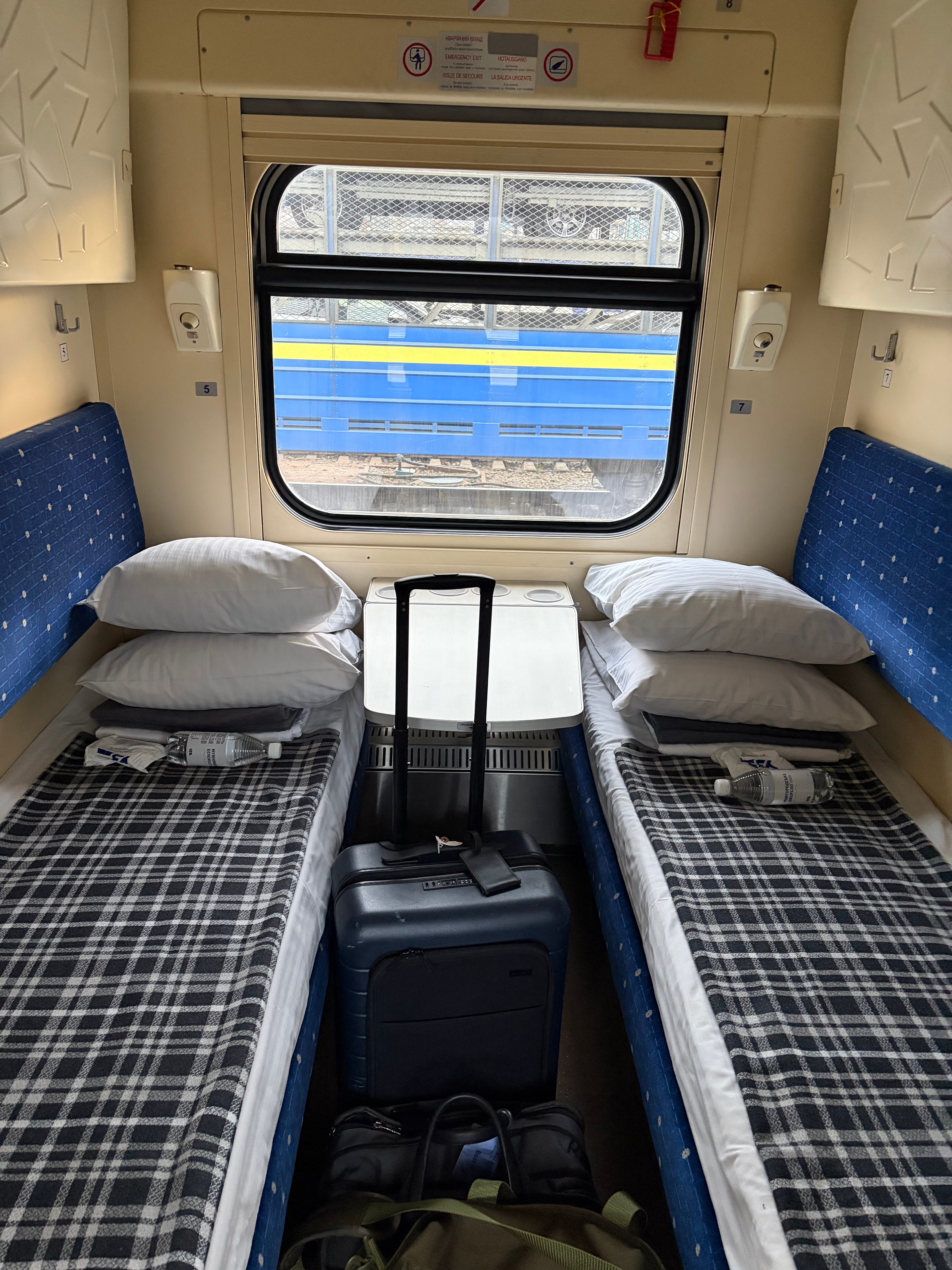
Ukraine’s railways have continued functioning throughout the war, and in fact serve as the country’s main outlet to the outside world. It is amazing how clean, efficient, and professional the Ukrainian railways are; they put Amtrak to shame. Taking a sleeper car to Kyiv has now become a ritual of passage for visitors to Ukraine. The trip takes about 12 hours, including lengthy stops on both sides of the Poland-Ukraine border for document checks. It’s not quite as restful as a hotel room, but I’ve gotten used to it.
The Wonders of Kyiv
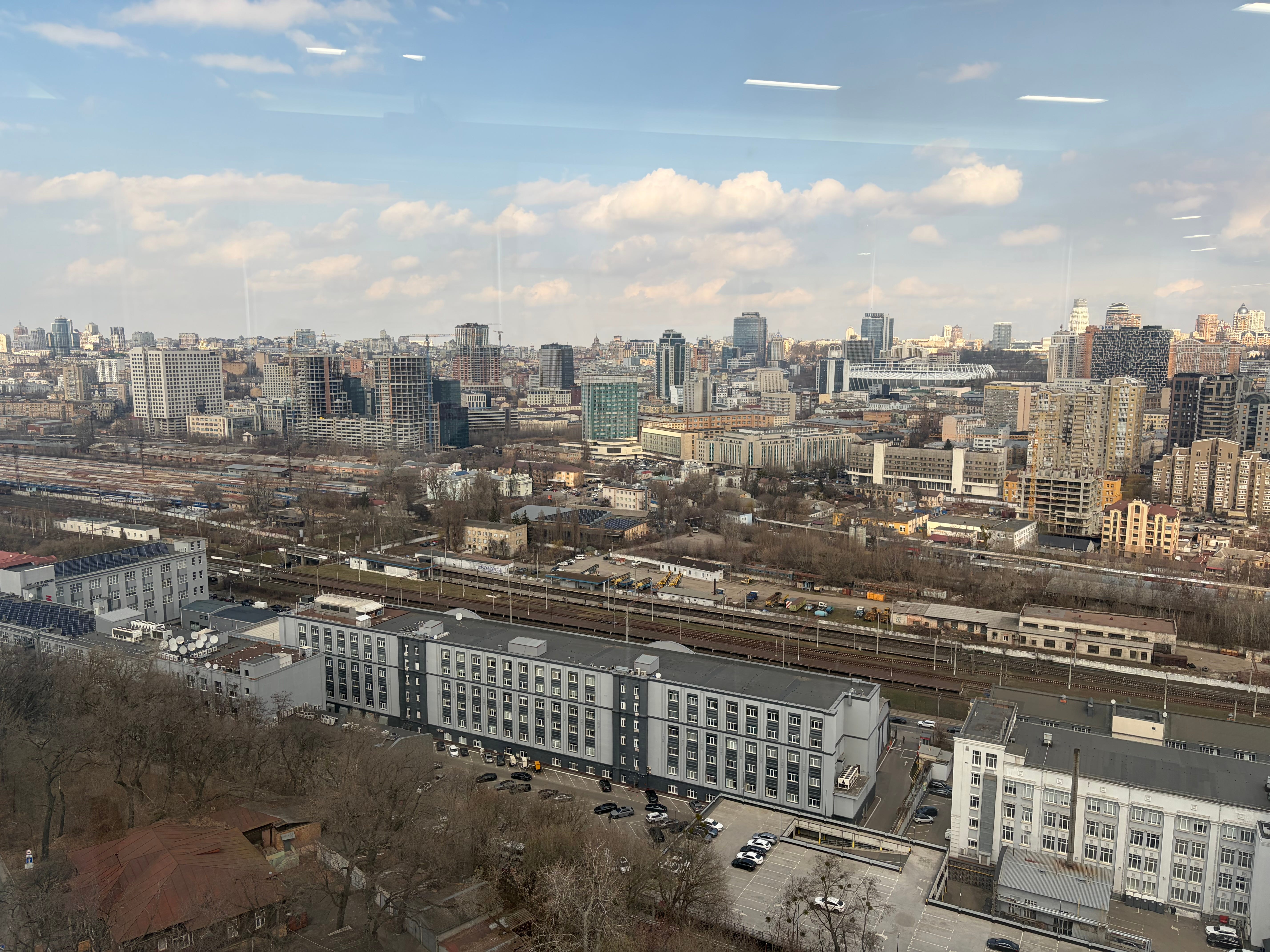
I look forward to arriving in Kyiv in a way I never did in Baghdad or Kabul. There is simply no comparison. Kyiv is a thriving metropolis that is similar to any other major city in Europe, and it feels perfectly safe—except, of course, for the near-nightly Russian drone and missile strikes. That’s a big exception, but I found it much more stressful to visit wartime Baghdad and Kabul, even though the threat of air attack was much less in those places (it came primarily from a few unguided rockets), because you never knew what would happen anytime you ventured out of the “green zone”. Enemies could strike from anywhere with no notice—either with roadside bombs (IEDs) or ambushes. Kyiv, by contrast, is safe and law-abiding, and you don’t have to worry about any enemy within. Ukrainian air defenses are effective enough that the air attacks are generally more of a nuisance than anything else; they do cause casualties, but your odds of being in the one building hit in a city of 3 million are low on any given night.
In large part, that’s because of a Ukrainian achievement that is usually overlooked: Not only are Ukrainian air defenses effective enough to shoot down most missiles and nearly all Russian drones, but they have made it impossible for Russian aircraft to operate over Ukrainian-controlled territory. Russian bombers do drop glide bombs near the front lines—but they do so while staying in Russian-controlled territory. If Russia were able to fly bombers over Ukraine, the result would be to inflict as much devastation as London, Tokyo, Dresden or Berlin or other cities suffered in World War II. But because Russian air strikes are much more limited, Kyiv looks virtually untouched by war. There are many glass-encased office buildings that would not last long amid heavier bombing raids.
The main misery inflicted by Russian air strikes has been the damage to Ukrainian power infrastructure. Every Kyiv resident I spoke with had horror stories stories about enduring a winter without electricity, heat or hot water while temperatures plunged to minus 20 below zero Celsius. Some people took to sleeping in indoor tents, fully clothed. Some old people froze to death or were trapped in high-rise apartment buildings when the elevators stopped working. It was brutal and awful, but now spring is here and everything is much better. Ukrainian workers have repaired infrastructure, and I didn’t experience any power blackouts while I was there.
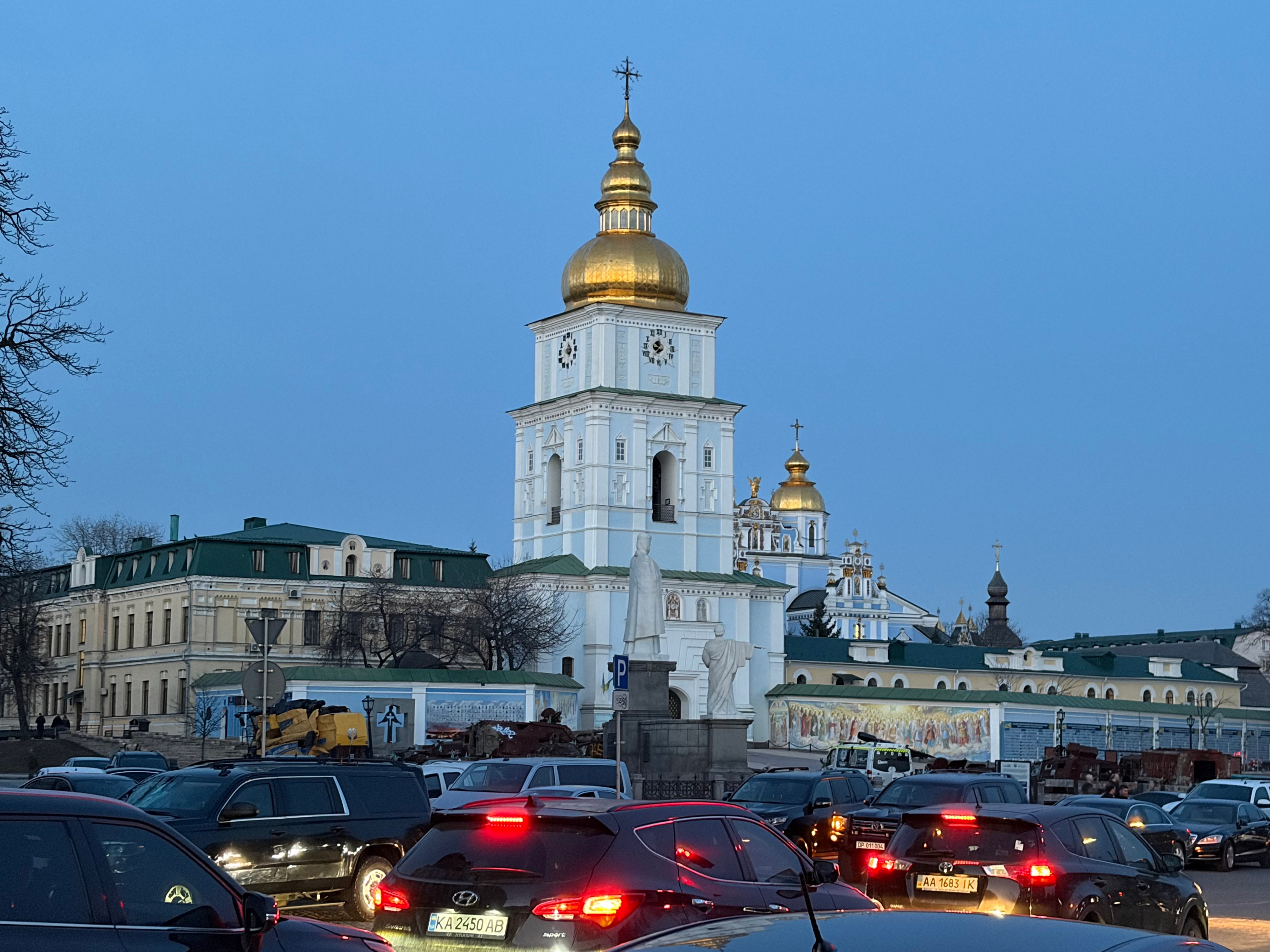
Instead what I saw were the wonders of Kyiv: its fabulous restaurants, bars, cafes, etc. It’s a place where Apple Pay and Uber work. It’s just like any other Western city, which is what makes the Russian invasion all the more horrifying: It feels like it could be happening to your own town.
A couple of pictures I took of Kyiv:
And this is a video of a park that shows ordinary life proceeding just as it would anyplace else.
Looking around Kyiv, it’s often easy to forget that a war is going on—until, that is, the air raid alarm sounds at night.
Kharkiv: Life Near the Front Lines
The risks are greater in Kharkiv, Ukraine’s second-largest city (or at least it was before the war), which is located just 20 miles from the Russian border. There is a lot more bomb damage to be seen there. For example, this was a residential building that was hit by a Russian rocket on March 6, killing 11 people:
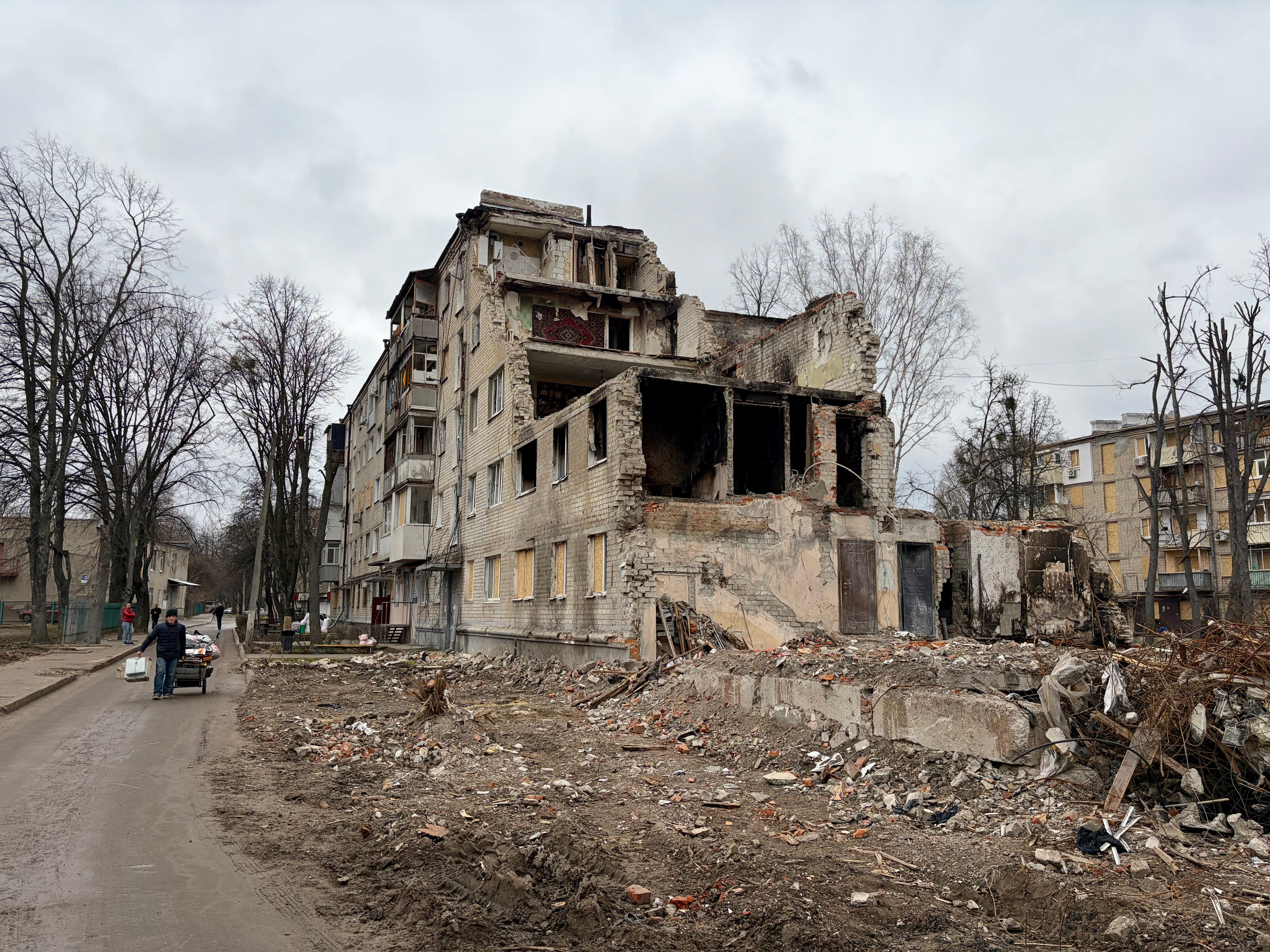
It looks like something out of Berlin, 1945.
And yet somehow life goes on even in Kharkiv. I struck by a school that was utterly ruined in the initial Russian invasion (a group of Russian Spetsnaz commandos holed up inside and refused to surrender, forcing Ukrainian troops to blast them out). And yet in front is a playground where kids are still playing.
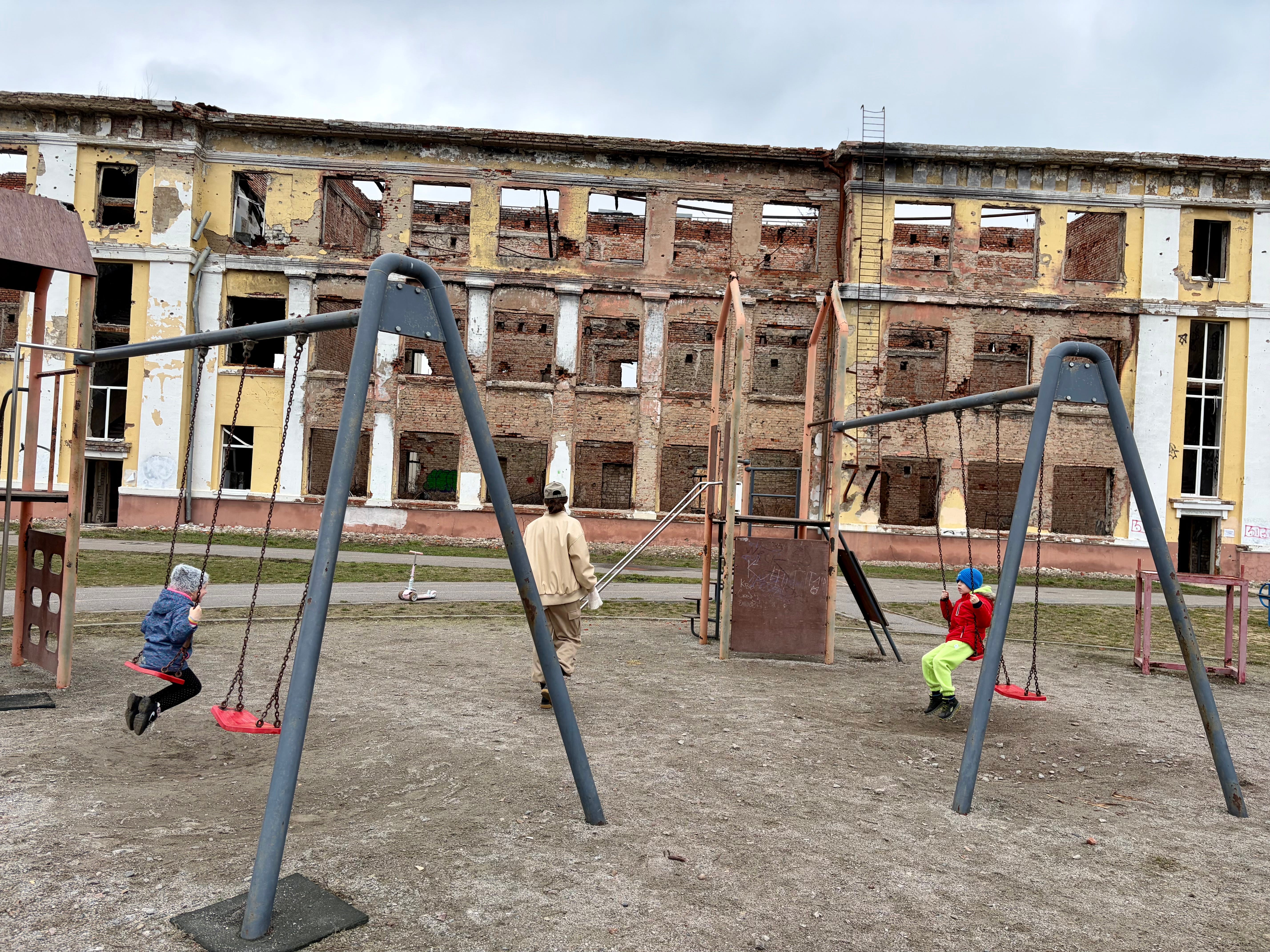
It’s utterly surreal.
Another surreal scene: In downtown Kharkiv, where bomb damage is also visible (and many windows are boarded up), we had dinner in a fancy pan-Asian restaurant with massive plate-glass windows and entertainment provided by a singer:
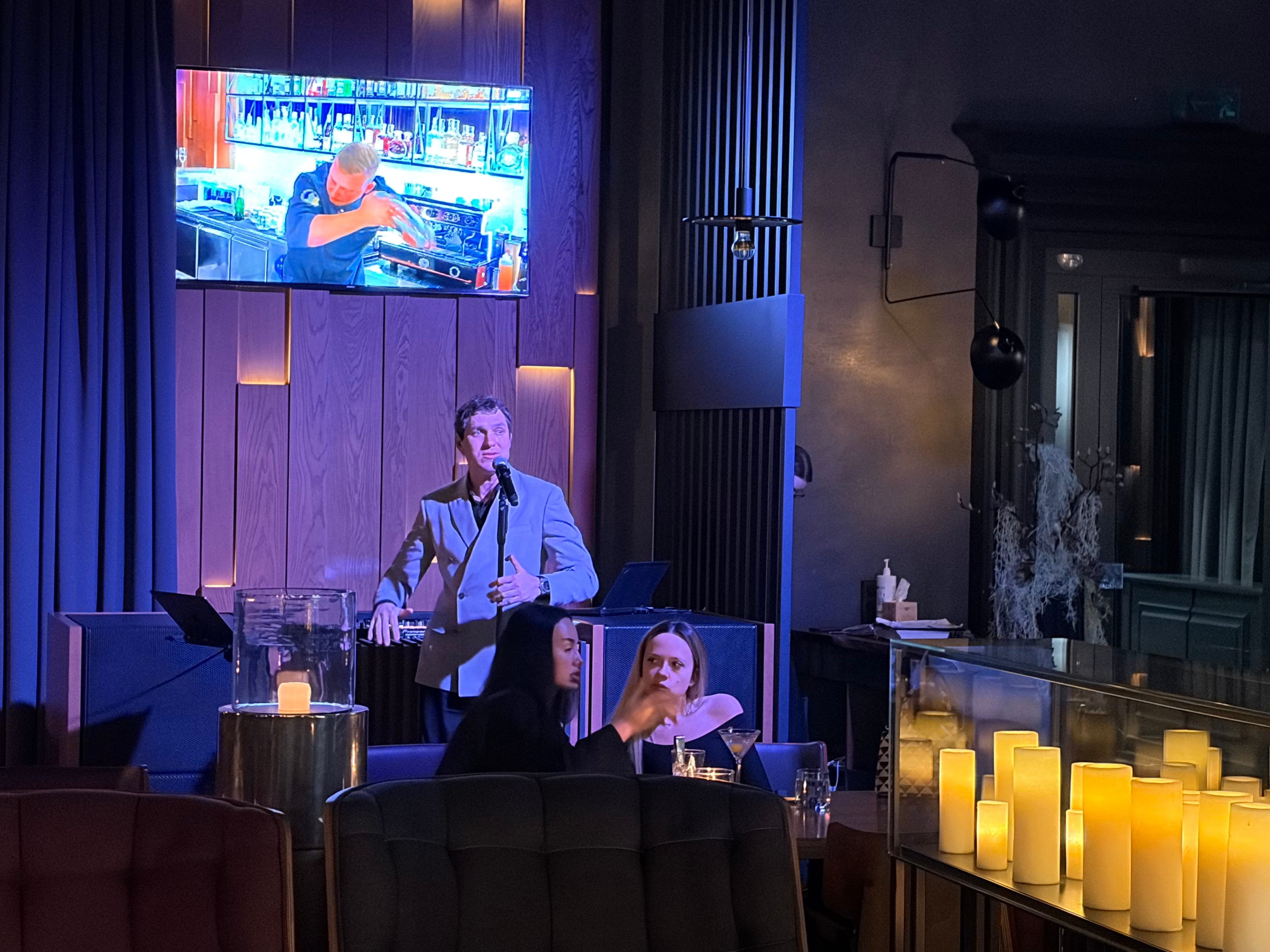
It’s inspiring that Ukrainians are going about their daily lives despite the awful war that has gripped their country for more than four years—or, more accurately, 12 years (since Russia began its aggression in Crimea and the Donbas in 2014).
Kharkiv’s Underground Schools
One of the ways that people in Kharkiv are able to survive is by building underground schools where their children can continue learning in safety—albeit without any natural light. We visited one such school. The kids, as you would expect, are extremely cute, and the teachers are obviously dedicated.
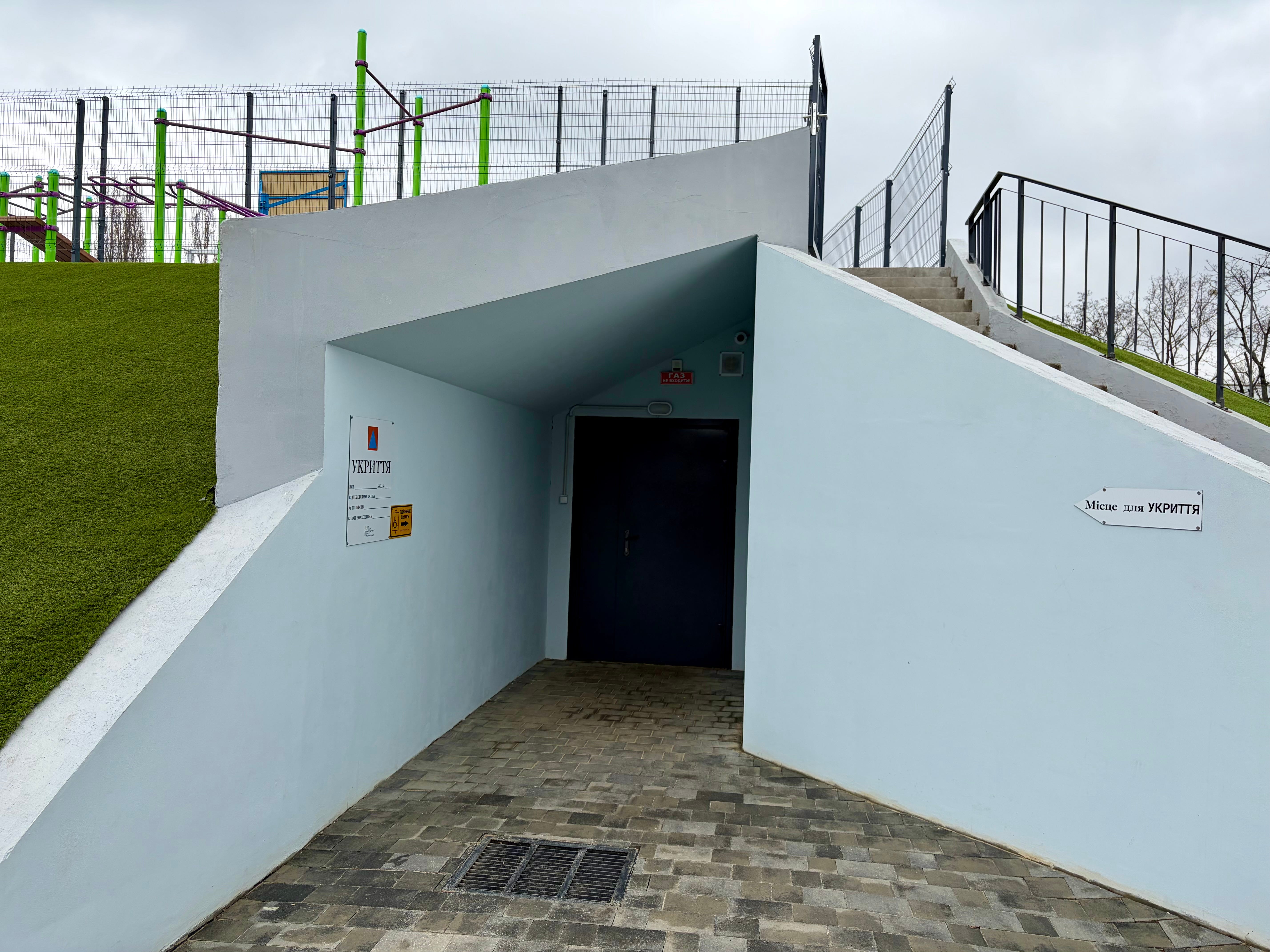
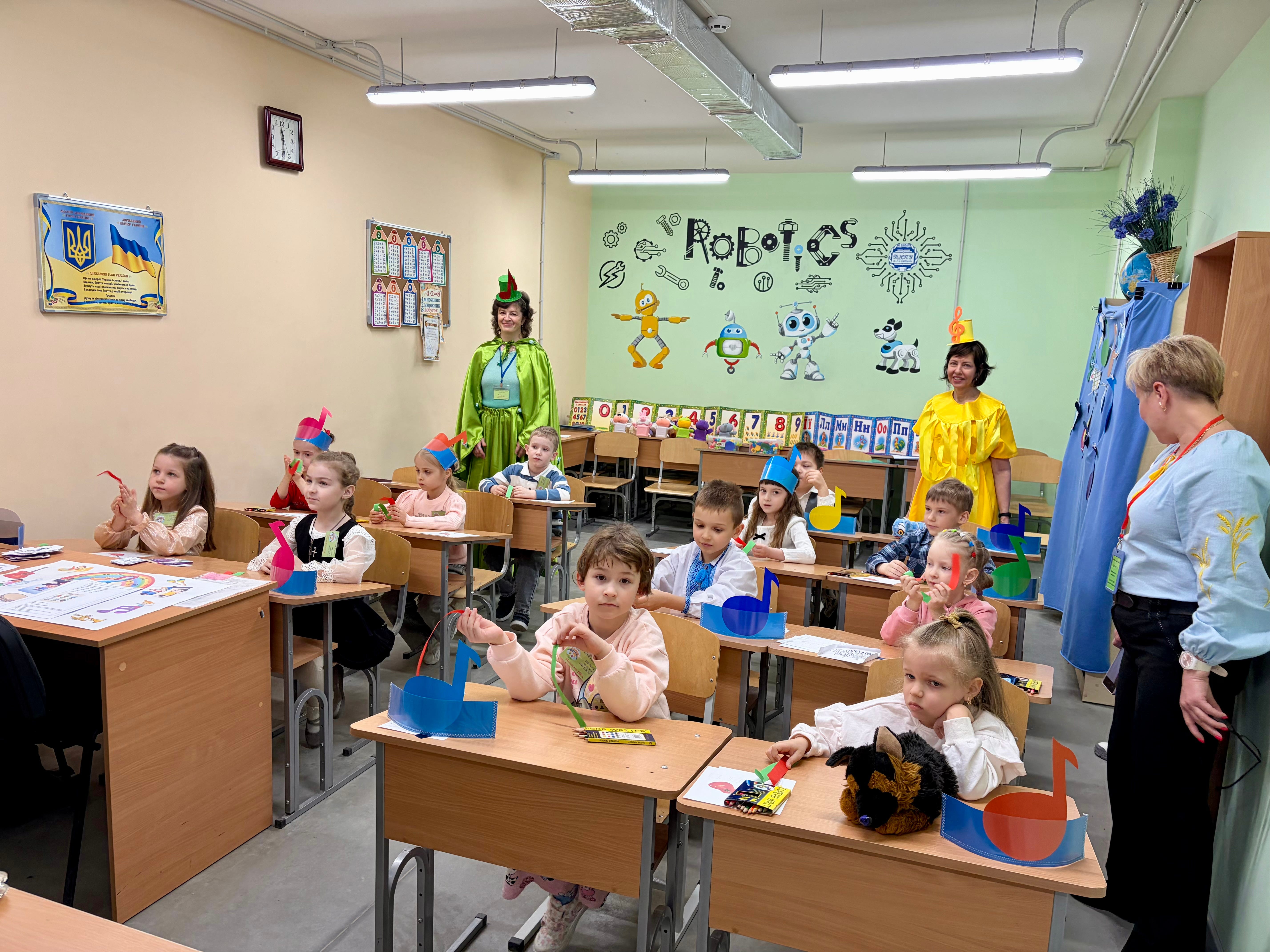
Underground schools aren’t ideal, but they’re better than no schools at all—and unfortunately Russia has made it unsafe for kids in Kharkiv to attend their normal schools. This is another example of Ukrainian ingenuity blunting the impact of Russia’s invasion.
The Heroes of Ukraine
That so many people are able to continue living quasi-normal lives is, of course, a tibute to the many heroes of Ukraine, ranging from aid workers, paramedics, and soldiers to the business executives and government officials who have built the world’s best drone industry from scratch in the space of four short years. I was really impressed by meeting some of the leaders of Ukraine’s defense industry. They have a Silicon Valley vibe in their ability to improvise and invent, but they have a higher sense of purpose than simply making a buck—they know their efforts are vital to saving their country.
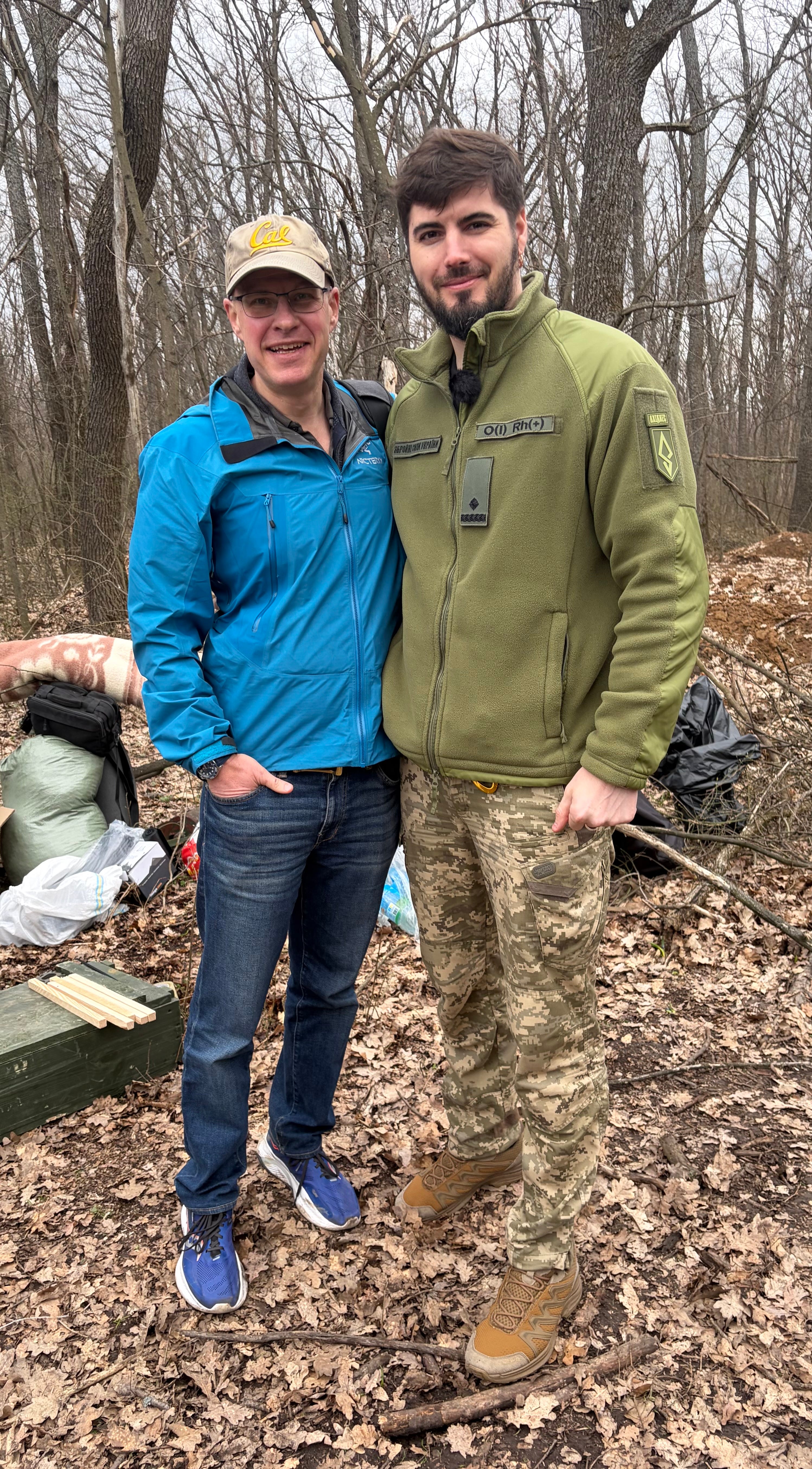
I was also blown away, so to speak, by many of the soldiers we met, in particular the leaders and men of the Achille Brigade, as the 429th Separate Unmanned Systems Brigade is formally known. Their commander is the charismatic Major Yurii Fedorenko, who is all of 34 years old and has already been awarded Ukraine’s highest military honor, Hero of Ukraine, Golden Star Order, for his unit’s success in destroying the Russian invaders. (Drones are now inflicting 90 percent of the casualties on the Russians.) I wanted a picture with this hero, and he kindly obliged.
And this was a group photo we took with three members of the RDI delegation and some of the Achilles Brigade soldiers along with two of their drones—one aerial, the other ground.
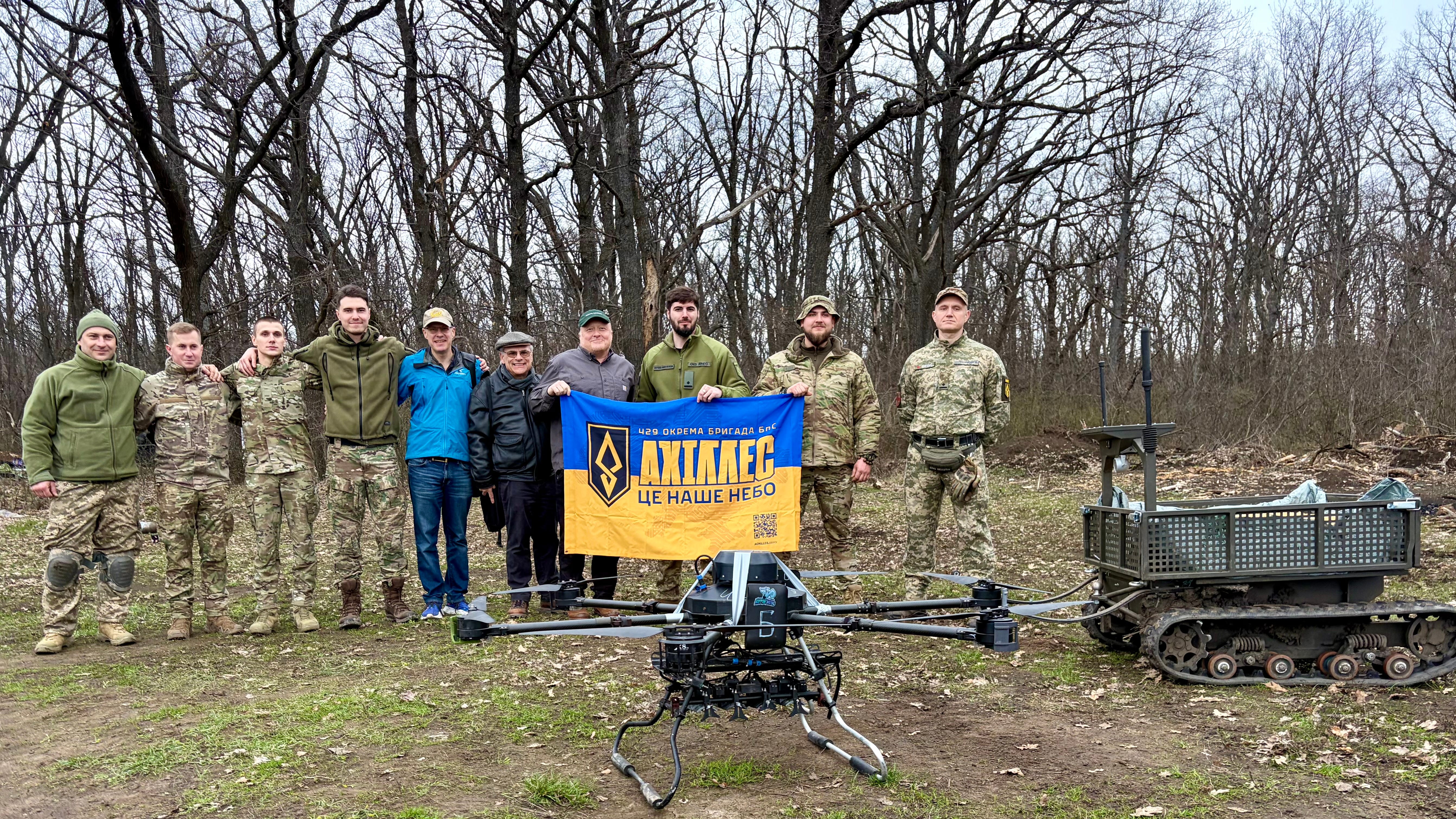
I’ve spent a lot of time around U.S. military personnel over the years, and I am just as impressed, if not more so, by the Ukrainian soldiers I met. They are so professional and so dedicated and so effective. I don't want to idealize; I realize there are also plenty of draft dodgers in Ukraine and plenty of men who were conscripted unwillingly or signed up voluntarily and are now frustrated that they can’t be demobilized. But the overall quality of the army is high, and their ability to use drones to make up for their deficit in troop numbers has been beyond impressive.
You can click here to support the Achilles Brigade and learn about what they need to buy.
Ukraine’s Gas Stations: A Hidden Treasure
I couldn’t write about Ukraine without mentioning their world-class gas stations. Anyone who is familiar with the dinginess of U.S. rest stops would be shocked to see how clean and well-stocked Ukrainian gas stations are. During our travels, I had coffee, croissants, and hot dogs at various gas stations, and they were all wonderful.
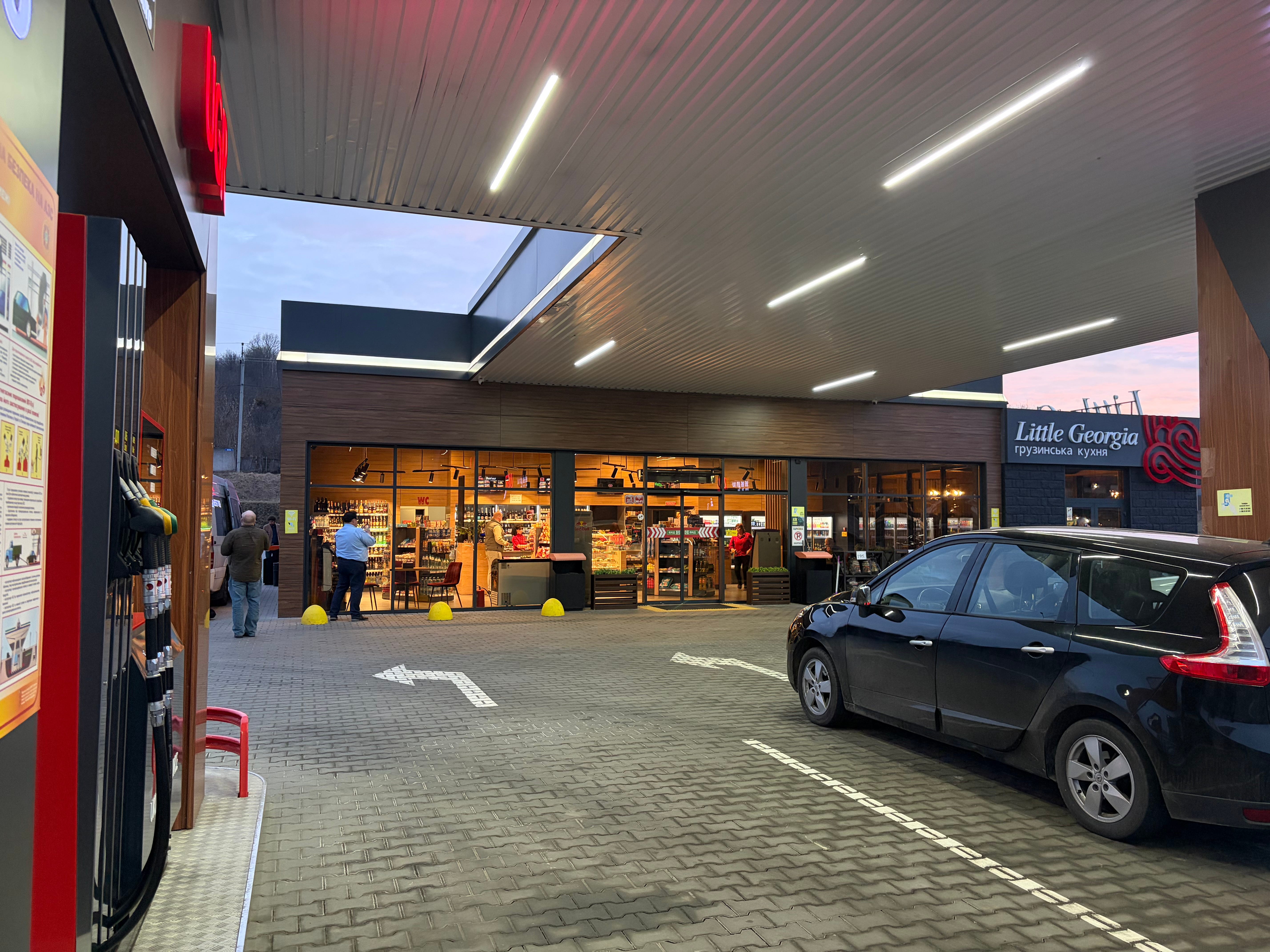

You notice that gas stations near the frontlines have Hesco barriers out front to protect them from air strikes. That’s because they are a de facto part of the Ukrainian army supply chain, and thus prone to Russian air strikes. The nearest gas station behind the front lines is a welcome refuge for soldiers in need of a hot or cold drink or a snack. But they are also a great rest-stop for anyone on the road. I am convinced that any Ukrainian entrepreneurs who could figure out how to export their gas stations to America would make a well-deserved fortune.
Chief Rabbi, Chief Defender
One of the many fascinating people we met was Moshe Azman, the chief rabbi of Ukraine—and in many ways its chief defender. Here he is in his synagogue.
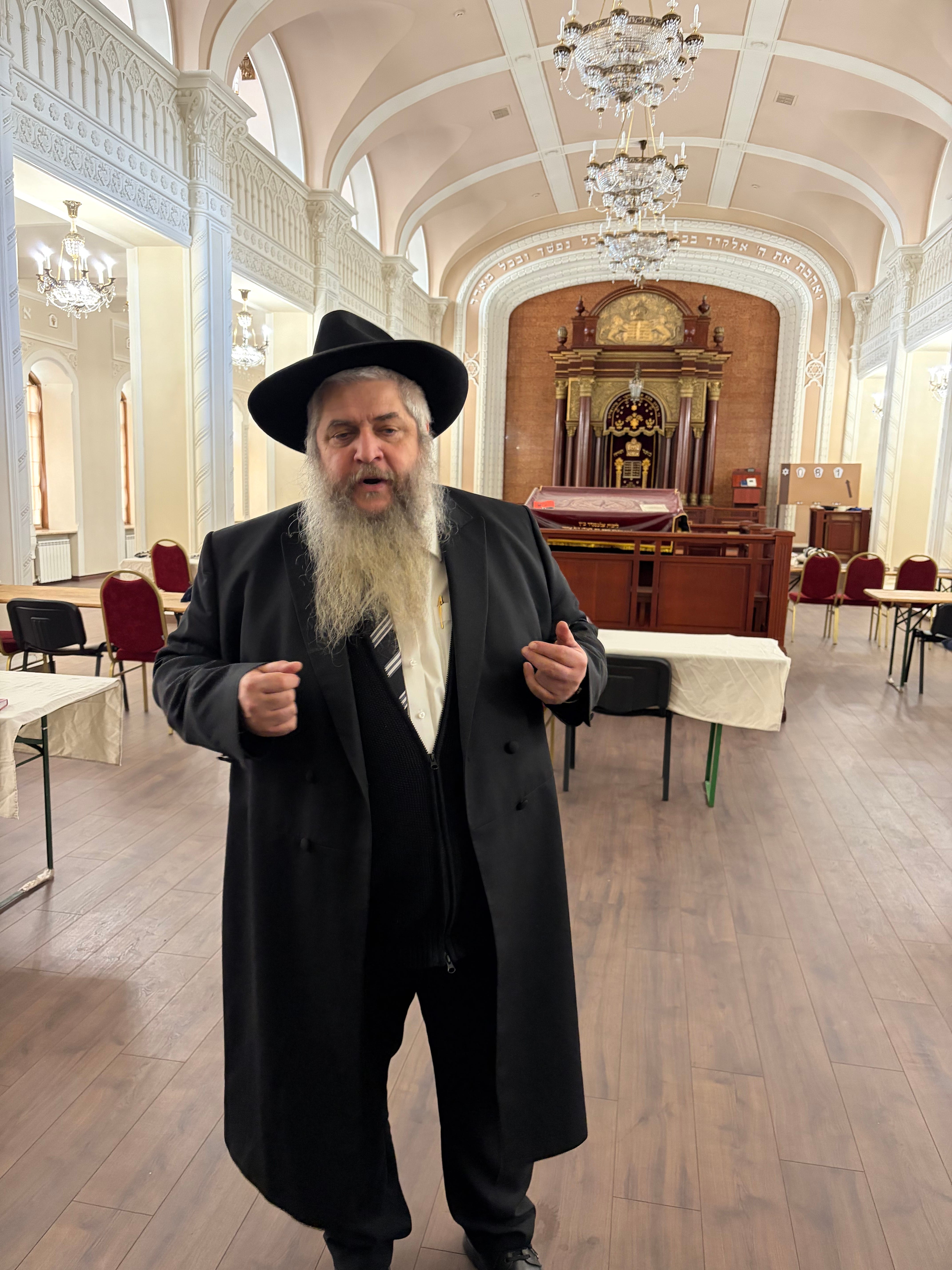
Putin and his fascist gang have claimed they are fighting “Nazis” in Ukraine even though the president of Ukraine is Jewish. Rabbi Azman (who was born in Russia) eloquently rebuts these falsehoods, arguing that he has seen less anti-Semitism in Ukraine than in Europe or America.
The rabbi has also been lobbying in America for Ukraine’s cause. He made a hilarious music video called “Donald Trump, it’s time to fight in the name of light.” There is no indication that he has persuaded the notoriously pro-Putin president, but anyone who speaks to Rabbi Azman with an open mind will come away convinced why the Ukrainian cause is worth defending.
RDI’s Contribution
I’m on the advisory board of RDI, and in fact I was one of the group’s founders, but I don’t have any operational responsibilities. RDI’s energetic CEO, Uriel Epshtein, organized our visit, and we were able to visit a number of projects funded by RDI, such as this modular boiler plant installed at a Kyiv hospital, which allowed it to keep functioning despite power blackouts over the winter. (Pictured is Uriel with hospital administrators.)
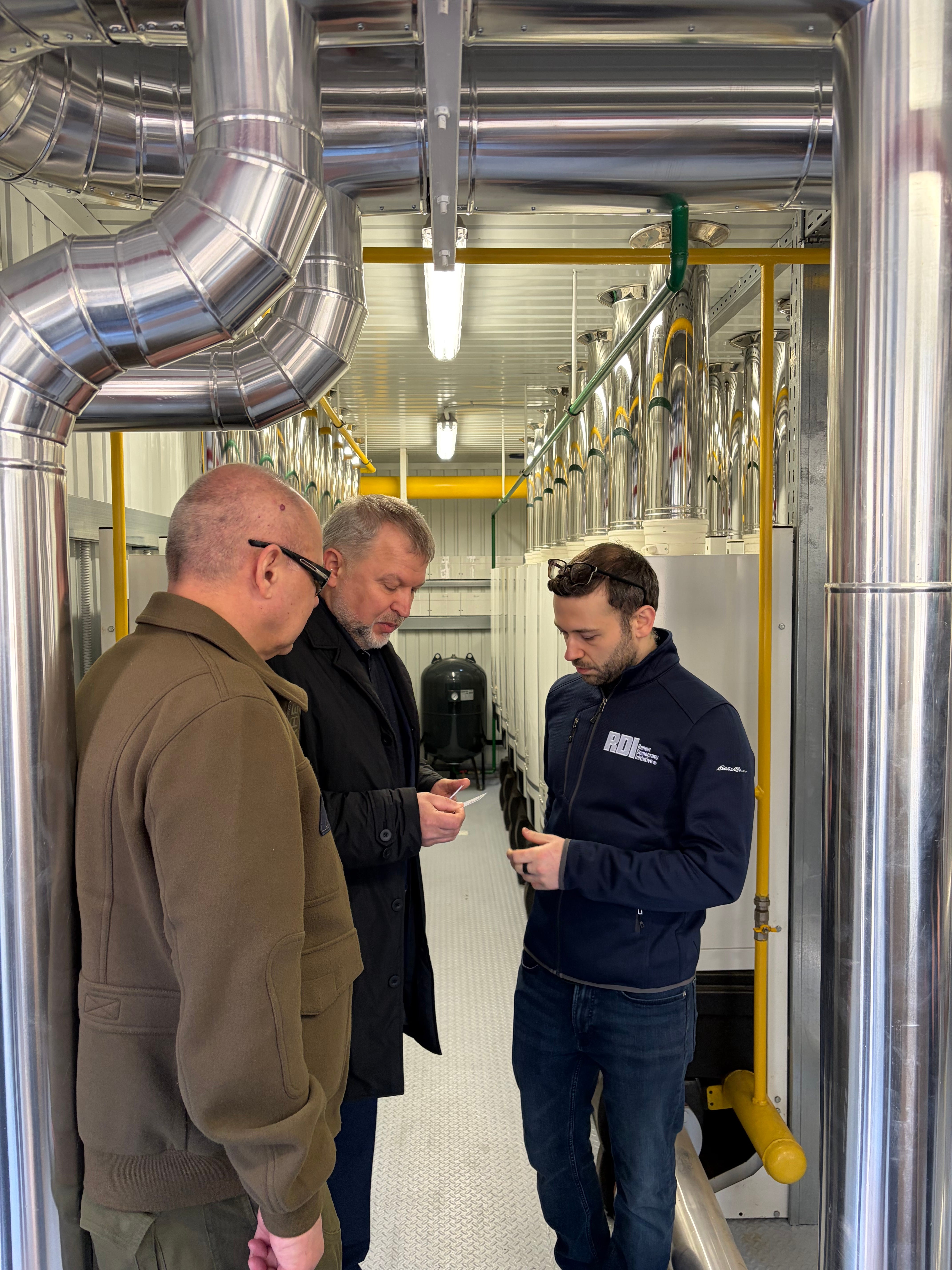
RDI is, of course, only one of many NGOs that has played an important role in supporting Ukraine during this terrible war. That doesn’t exactly make up for the disgraceful cutoff of U.S. support since Donald Trump took office, but every bit helps.
Groups like RDI realize what Trump seemingly does not: that the war in Ukraine is not a conflict between two equally culpable parties but a battle of good vs evil. The Ukrainians are the good guys, and they deserve all the support we can muster, for reasons both strategic and moral.
Remember the fallen
While Ukraine is surviving and even thriving, it’s important to never lose sight of the terrible death and destruction inflicted by Russia’s illegal and unprovoked invasion. In the Maidan, Kyiv’s central square, there are makeshift memorials to the fallen. They have grown greatly since my last trip. Visiting them makes for a sobering experience.
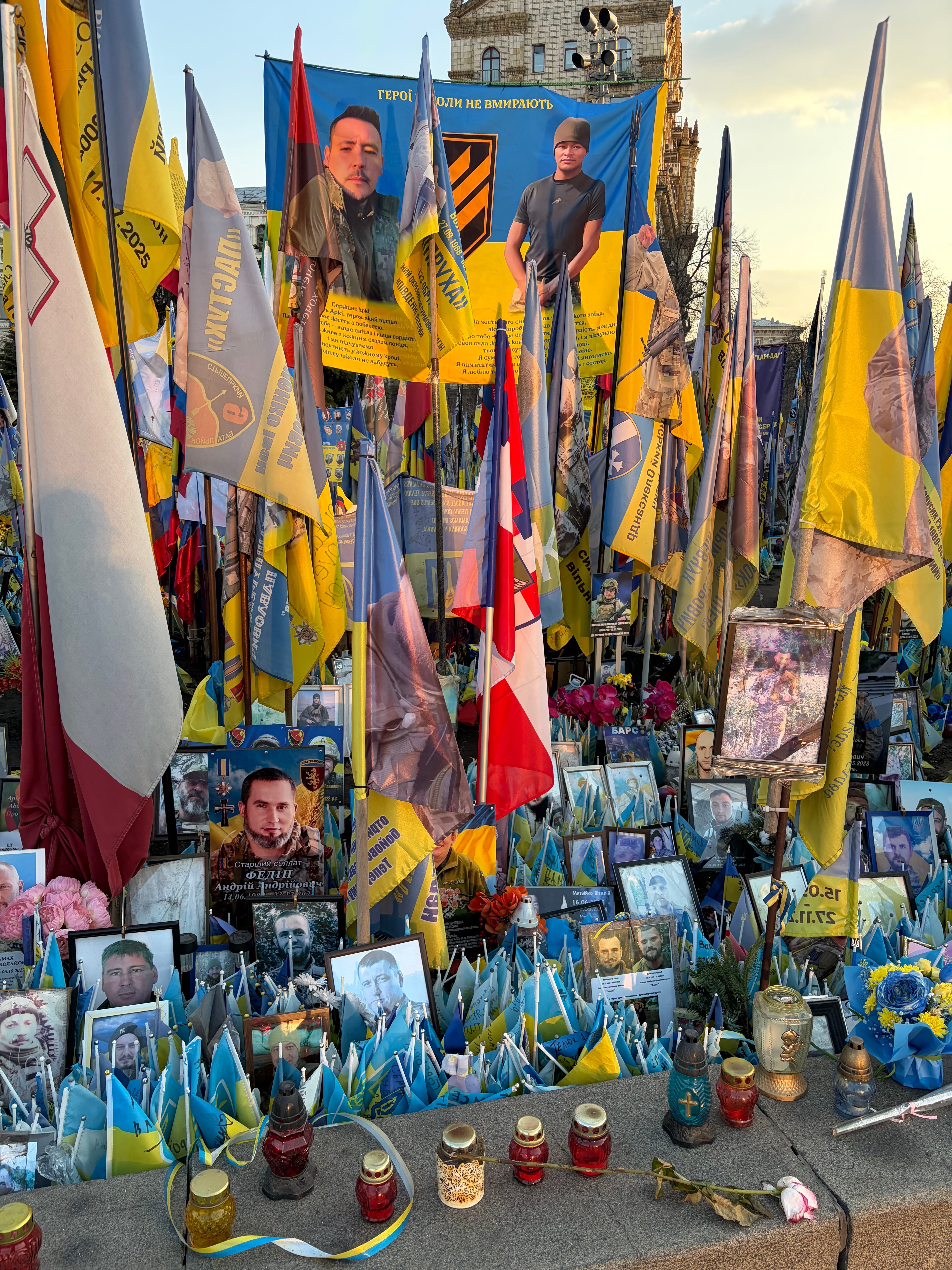
It’s not only Ukrainian defenders who are honored. So are the foreigners, members of the International Legion, who fell defending Ukraine. Some are Americans:
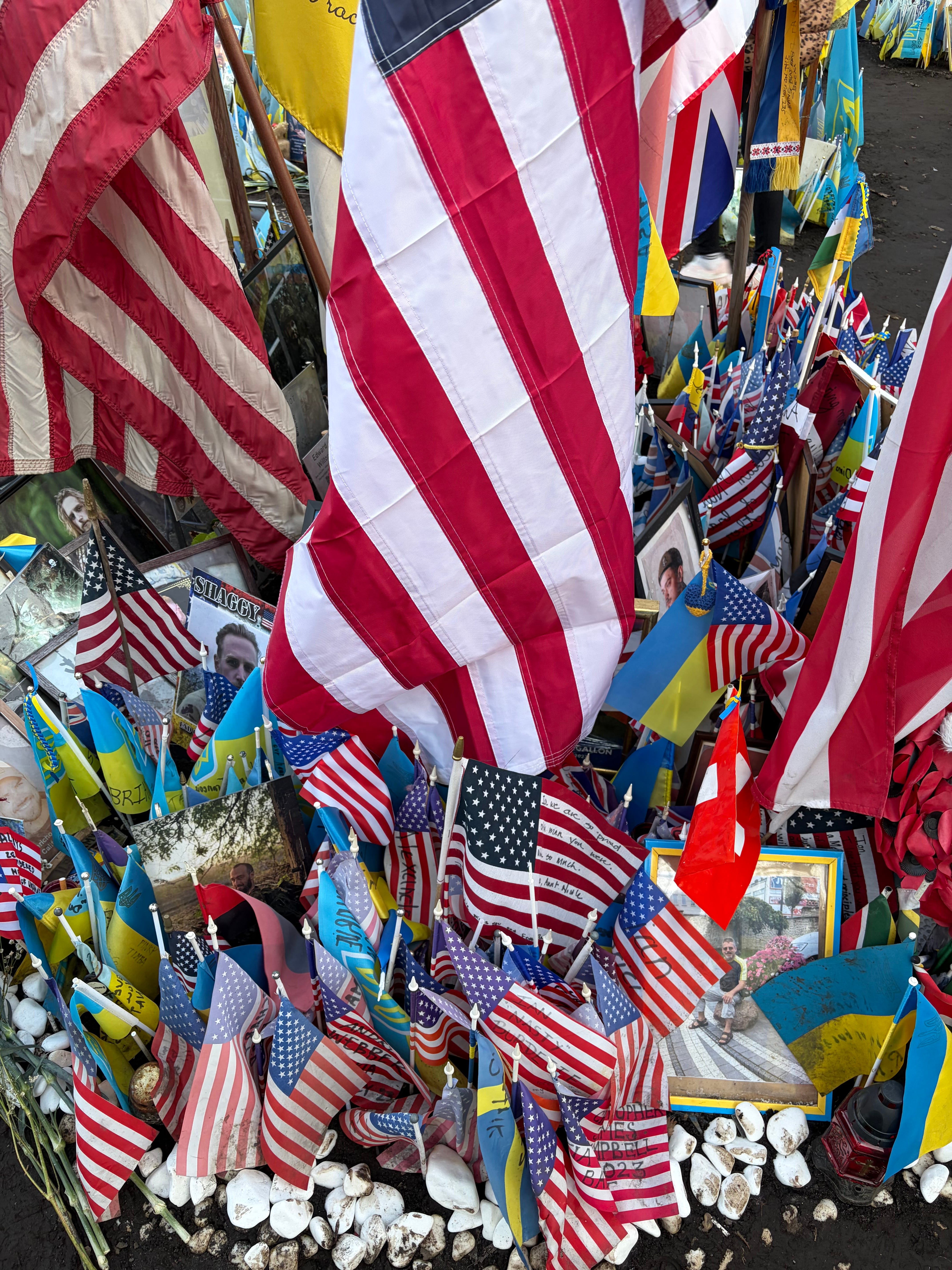
We traveled all week with one of the Americans who fought for Ukraine and mercifully survived. Isaac Luna is a soft-spoken former Marine major who was deployed to Iraq and Afghanistan and was working as a management consultant and investor in 2022 when Russia invaded Ukraine. He promptly left his civilian life and went to Ukraine to fight. He wrote about his experience in this book. He now lives in Ukraine.
Getting to spend time with him was both interesting and inspiring, because, like a real warrior, he doesn’t brag or boast (Pete Hegseth, take note), but he does matter-of-factly relate his experiences, both good and bad, in Ukraine’s service. (The bad was mostly some of the flaky foreigners who showed up to join the legion.)
The Price of Peace
The more I learn about Ukraine, the more impressed I am. It’s a wonderful, vibrant, democratic society that will have a bright future once the war is over. Unfortunately, no one can say when that will be. But despite the hardships of war, Ukrainians are not ready to surrender—or even to give to Putin the unconquered parts of the Donbas that the Russian dictator insists upon as the price of peace (with evident backing from the Trump White House). Giving up that territory would cede a fortress belt that the Russians have not been able to take in 12 years of trying, and it would leave Ukraine open to another invasion in the future.
No one I met in Ukraine likes the war. Everyone wants to end it. But they don’t want peace at any price—and so far the price Putin is demanding is too high. So Ukrainians continue defending their country in the fifth year of war, while also going about their daily lives. Amid the insanity of American politics, it’s highly inspiring to visit a country united in defense of an embattled democracy.
A wonderful article , Max, thank you. The Ukrainian people are an amazing people— smart, entrepreneurial , creative, resilient — who have been let down by America and in a way have proved superior to the U.S. and Russia. Their war could have and should have ended within six months of being attacked by Russia, but the U.S. frittered away the opportunity and its responsibility to defend Ukraine and Europe. I regularly support Ukraine, and will continue doing so.
My first visit to Kyiv was in 1998, on a journalism fellowship. The city struck me as being in fairly desperate straits and very Minsk like Soviet. My "hotel" demanded up front cash payment at the desk, which I flatly refused to fork over. I was issued a single micro "bath" towel and a soap "bar" as big as my thumbnail. The Metro resembled a hospital ward. But just a few years later, a more vibrant picture. And when I visit after Putin’s invasion, I found the city you're describing. Innumerable food choices, a clean, safe hotel w a spectacular rooftop view at breakfast, all the rest...Not Minsk!